Choosing the right asphalt driveway for your Brisbane Southside property involves more than picking a colour or price. Local climate, soil conditions, council requirements, intended use and long-term maintenance all affect performance and value. This guide explains what to consider in 2026, how asphalt variants compare, and practical steps for planning, installation and ongoing care — including options for asphalt resurfacing and when a full rebuild is necessary. It also covers related surfaces such as bitumen driveway finishes and bitumen carpark considerations for larger properties.
Why Asphalt Is a Good Choice in Brisbane Southside
Asphalt remains a popular surface for residential driveways and small commercial areas on the Southside because it provides a smooth, durable and cost-effective pavement. Benefits include:
- Fast installation and reopening after laying; Good flexibility to tolerate minor ground movement and heavy vehicle loads; Options for resurfacing — asphalt resurfacing extends life without full reconstruction; Cost-effective compared with exposed aggregate concrete in many cases; Recyclability: modern mixes can include high proportions of reclaimed asphalt pavement (RAP), aligning with 2026 sustainability trends in Queensland.
Key Local Considerations for Brisbane Southside
Location-specific factors on Brisbane Southside influence driveway design and material choice:
Climate and Drainage
Brisbane’s subtropical climate brings intense summer storms and heavy rainfall events. Proper drainage and surface gradients are essential to prevent ponding and undermining of the subbase. Ensure the driveway slopes away from buildings toward approved stormwater infrastructure, and consider permeable edging or nearby landscaping to manage runoff.
Council Approvals and Crossovers
Brisbane City Council and some local authorities require approvals for driveway crossovers, changes to kerb alignments, and works that affect the footpath or stormwater network. Before construction, check with the council for any permit, specification or inspection requirements — this avoids costly rework. Typical conditions cover crossover location, materials, maximum gradient and kerb replacement.
Soil and Subgrade
Southside properties can have variable soils — from stable clay to reactive subsoils. A geotechnical or site assessment helps determine required excavation, subgrade compaction and whether geotextile or structural subbase is needed. Proper subbase design is the most important factor affecting long-term performance.
Types of Asphalt and When to Use Them
Understanding asphalt types helps match the surface to expected use and budget.
Hot Mix Asphalt (HMA)
HMA is the most common choice for residential driveways and small bitumen carpark areas. It is produced at high temperatures and compacted to form a dense, smooth surface. HMA offers strong wear resistance and longevity when installed over a well-prepared subbase.
Polymer-Modified Asphalt
Polymer-modified mixes include additives that improve elasticity and resistance to rutting and temperature-related cracking. They are useful where heavier vehicle loads are expected or in driveways exposed to intense sun and heat.
Stone Mastic Asphalt (SMA)
SMA provides excellent skid resistance and durability; it is commonly used for high-traffic areas and some commercial carparks. It can be a premium option for long driveways or shared access ways.
Cold Mix and Repair Mixes
Cold-mix products are suitable for patching and temporary repairs but are not recommended for new driveway surfaces intended for long-term use.
Design, Construction and Quality Control
Good installation starts with design and quality workmanship. Key elements to control include:

Cost, Lifespan and When to Resurface
Costs on Brisbane Southside vary by size, site complexity and material. Expect full driveway construction to be influenced by removal of old pavement, subbase works, and landscaping impacts. Asphalt driveways properly constructed can last 15–25 years. Asphalt resurfacing is a common, cost-effective way to renew a driveway when the base is sound but the surface shows cracking or oxidation.
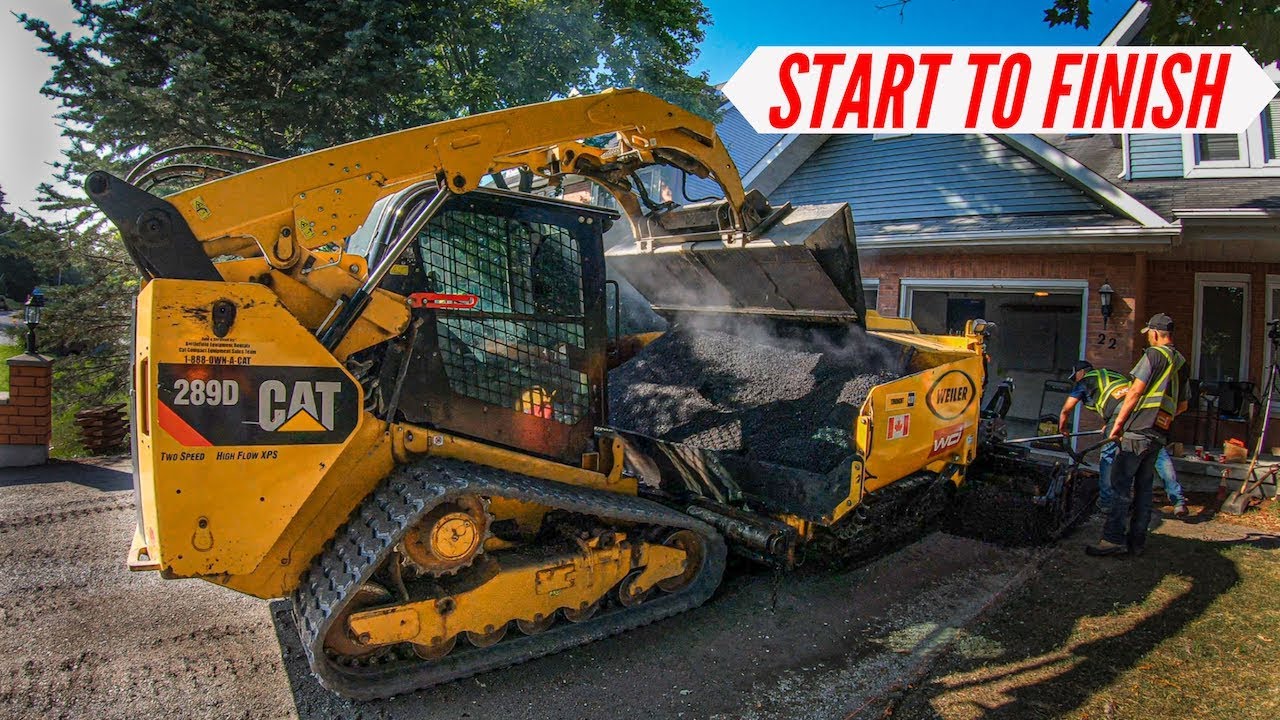
Resurfacing involves milling or cleaning the existing https://asphaltdrivewaysbrisbanesouthside.com.au surface, repairing localized defects, and installing a new wearing course. Typical resurfacing extends life by 8–15 years depending on traffic and maintenance.
Maintenance Tips to Maximise Service Life
Regular maintenance in Brisbane’s climate preserves the surface and delays costly reconstruction:

- Clean debris and clear gutter lines to avoid trapped water; Seal minor cracks promptly to prevent water infiltration into the subbase; Avoid repeated heavy loads concentrated in one area — distribute parking where possible; Schedule surface inspections after heavy storms and before the wet season; address drainage issues immediately; Consider periodic sealcoating every 5–8 years depending on traffic and exposure to UV — sealants help protect against oxidation and surface deterioration.
Choosing a Contractor on Brisbane Southside
Selecting the right installer is as important as choosing the asphalt type. Ask potential contractors these practical questions:
Can you provide examples of recent local work and references specific to Brisbane Southside? Do you manage council approvals and crossover permits, or will I need to organise them? What is your proposed subbase design and compaction specification for my driveway width and expected vehicle loads? Which asphalt mix are you recommending and why (HMA, polymer-modified, SMA)? Do you offer written warranties on workmanship and what are the maintenance recommendations?Environmental and Sustainability Considerations
In 2026, sustainability is a stronger factor in material selection. Ask about use of reclaimed asphalt pavement (RAP) or warm-mix technologies that reduce emissions. Permeable paving strategies, bioswales and landscaped buffer strips can help manage stormwater runoff — sometimes a council condition for larger or commercial projects. For bitumen carpark installations, consider integrating tree planting and shade to reduce heat island effects.
Final Checklist Before You Proceed
Before signing a contract, confirm the following:
- Written scope of works, including preparatory excavation, subbase specification, paving thickness, compaction targets and finishing; Detail on who handles council approvals and site-specific conditions like tree roots or utility locations; Clear start and completion dates and terms for weather delays; payment schedule and warranty details; Plan for runoff and drainage tied to existing stormwater connections or approved alternatives.
Conclusion
Choosing the right asphalt driveway on Brisbane Southside in 2026 means balancing durability, cost, council compliance and environmental impact. Prioritise a proper site assessment, informed material selection (considering polymer-modified options where appropriate), correct subbase construction and a qualified contractor who manages approvals. With the right preparation and ongoing maintenance — including timely asphalt resurfacing — a well-built bitumen driveway or bitumen carpark will provide decades of reliable service.
Asphalt Driveways Brisbane Southside
Unit 5/30 McKechnie Dr, Eight Mile Plains QLD 4113, Australia
ph. (07) 3132 3631